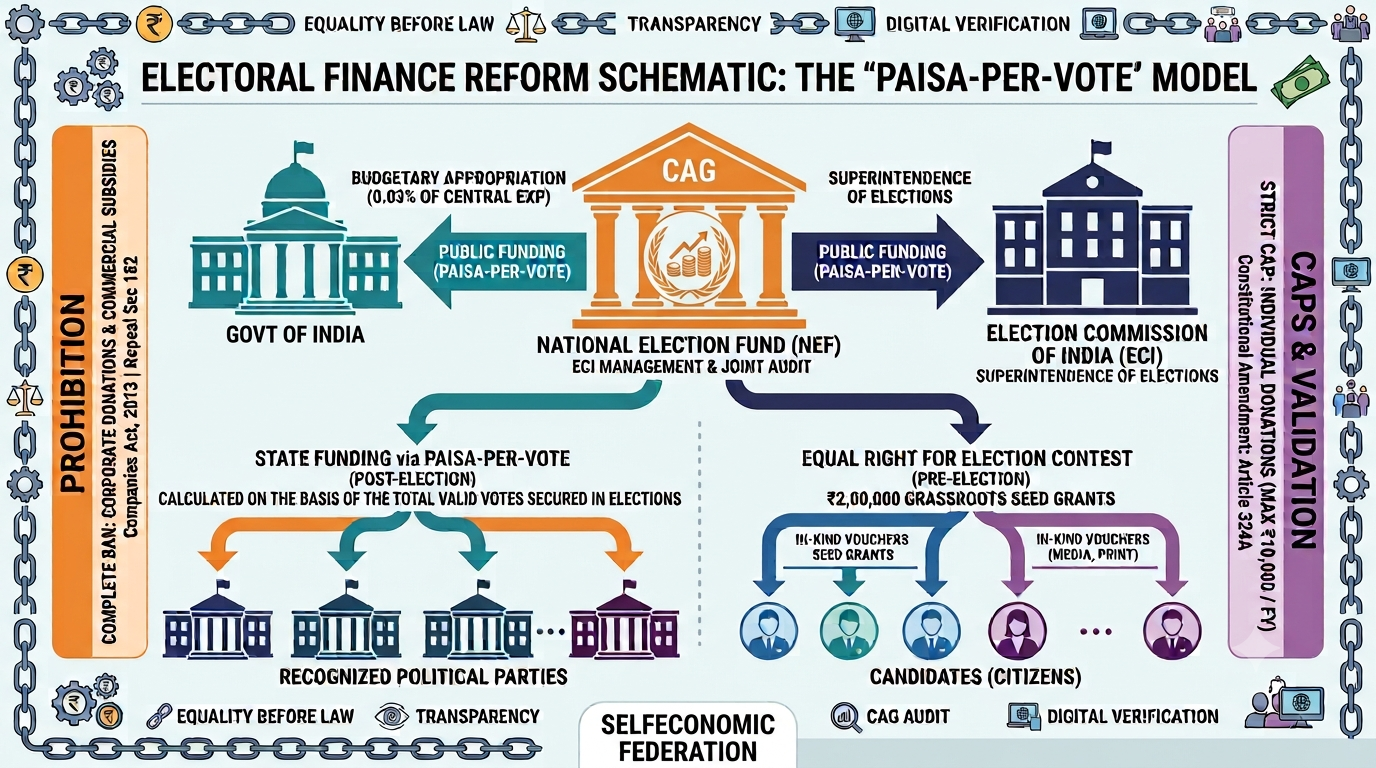
క్రియాశీల వ్యవస్థాగత విలువ పంపిణీల ఖచ్చితమైన ఆడిట్ కోసం ప్రతి క్షేత్రస్థాయి కార్యకలాపంలో స్పష్టమైన ధృవీకరణ తనిఖీలు తప్పనిసరి.
పూర్తిగా వాస్తవిక మరియు క్షేత్రస్థాయి మద్దతు మ్యాట్రిక్స్ ఆధారంగా, వికేంద్రీకృత స్థానిక క్షేత్ర విభాగాలలో ప్రత్యక్ష ప్రోగ్రామాటిక్ ఆర్థిక కేటాయింపుల ట్రాకింగ్.
ప్రతి ఒక్క లావాదేవీ, ఓటు మ్యాపింగ్ బేస్లైన్ మరియు ప్రోగ్రామాటిక్ కేటాయింపులు బహిరంగ వికేంద్రీకృత పారదర్శకత వాల్ట్లో సురక్షితంగా ధృవీకరించబడతాయి.
ఈ ఆపరేషనల్ ఇంజిన్ పారదర్శకత లేని లేదా రహస్య భారీ విరాళాలను పూర్తిగా తిరస్కరించి, నమోదిత క్రియాశీల సిబ్బంది ఉనికి ఆధారంగా రియల్-టైమ్లో మూలధన పంపిణీని లెక్కిస్తుంది.
వికేంద్రీకృత నోడ్స్పై నడిచే సమగ్ర మల్టీ-ఫ్యాక్టర్ గుర్తింపు క్రాస్-వెరిఫికేషన్ అల్గారిథమ్స్.
నిజమైన క్షేత్రస్థాయి పరస్పర చర్యలను ధృవీకరించడానికి స్వయంచాలక యాంటీ-స్పూఫ్ (Anti-spoof) తనిఖీ వ్యవస్థ.
స్వయంచాలక రోజువారీ లెడ్జర్ బ్యాలెన్స్ వ్యాలిడేషన్ రూటీన్ అప్డేట్స్.
                            // Verification Logic System Engine

                            if (worker.is_active && worker.biometric_verified) {

                              reward = 0.10 * active_days;

                              party_fund.credit(reward);

                            }
సాంప్రదాయ వ్యవస్థ పరిమితుల నుండి డైనమిక్ స్వయంచాలక బ్యాలెన్స్ ఇంజిన్కు మారే స్పష్టమైన కార్యాచరణ సామర్థ్య విశ్లేషణ.
కార్యాచరణ నిర్మాణాన్ని స్పష్టమైన పౌర మద్దతు మ్యాట్రిక్స్తో అనుసంధానించడం ద్వారా, బహుళ-స్థాయి కార్పొరేట్ విధాన నియంత్రణ ప్రమాదాన్ని పూర్తిగా తగ్గిస్తుంది.
చిన్న ప్రాంతీయ పార్టీలు తమ బడ్జెట్ను కేవలం నమ్మదగిన స్థానిక సంస్థాగత శక్తి మ్యాట్రిక్స్ నిష్పత్తిలో మాత్రమే పెంచుకోగలవని ఇది నిర్ధారిస్తుంది.
సంస్థాగత ఎన్నికల ప్రచార నిధుల సేకరణను, రహస్య లేదా షాడో డార్క్-పూల్ బ్యాంకింగ్ చెక్కుల నుండి పూర్తిగా ఆడిట్ చేయబడిన జాతీయ ప్రోగ్రామాటిక్ బదిలీగా మారుస్తుంది.
స్థానిక బయోమెట్రిక్ ఫీల్డ్ చెక్ వ్యాలిడేషన్ వ్యవస్థలను ఉపయోగించి క్రమబద్ధమైన కార్యాచరణ జవాబుదారీతనాన్ని అమలు చేస్తుంది.
ప్రజా విధాన పాలనను స్వచ్ఛంద ట్రస్ట్ వ్యవస్థల నుండి స్కేలబుల్ క్రిప్టోగ్రాఫిక్ జవాబుదారీతనానికి బదిలీ చేసే వ్యవస్థాగత మార్గం.
ఎటువంటి వ్యవస్థాగత అడ్డంకులు లేకుండా నిజమైన క్రియాశీల క్షేత్రస్థాయి కార్మికుల ఉనికి పరిమితిని నిర్ణయించడానికి ప్రాథమిక వికేంద్రీకృత బయోమెట్రిక్ వెరిఫికేషన్ API మెష్ పాయింట్లను స్థాపించడం.
అధిక లోడ్ కింద వికేంద్రీకృత లెడ్జర్ల స్కేలింగ్ పారామితులను తనిఖీ చేయడానికి, స్థానిక పరిపాలనా ఎన్నికల చక్రాలతో సమాంతరంగా షాడో (Shadow) సిమ్యులేషన్లను రన్ చేయడం.
స్వచ్ఛంద ఎన్నికల నిధుల చట్టాలను పూర్తిగా రద్దు చేయడం మరియు తుది ఓట్ల లెక్కింపుతో ఫార్ములా ద్వారా ముడిపడి ఉన్న ప్రత్యక్ష ప్రభుత్వ ఖజానా మ్యాచింగ్ పంపిణీ పైప్లైన్ను సక్రియం చేయడం.
ప్రోగ్రామాటిక్ నిధుల అమలుకు వ్యతిరేకంగా లేవనెత్తిన ప్రాథమిక సంస్థాగత డిజైన్ సంబంధిత ఆందోళనలకు వ్యవస్థాగత పరిష్కార సమాధానాలు.
లేదు. ట్రాకింగ్ ఇంటర్ఫేస్ కఠినమైన స్థానిక జీరో-నాలెడ్జ్ ప్రూఫ్ వ్యాలిడేషన్ క్రిప్టోగ్రఫీ ప్రోటోకాల్స్ ఉపయోగించి ఎంట్రీలను ప్రాసెస్ చేస్తుంది, ఇది కేంద్ర డేటా సేకరించేవారికి వినియోగదారు వ్యక్తిగత గుర్తింపును పంపకుండా అనుకూలత స్థితిని ధృవీకరిస్తుంది.
అన్ని వ్యాలిడేషన్ ఈవెంట్ల కోసం హార్డ్వేర్ సెక్యూరిటీ టోకెన్ సర్టిఫికేషన్ అవసరం, దీని బ్యాకప్లో యాదృచ్ఛిక స్థానిక పరిశీలకుల ఆడిటింగ్ పూల్స్ సమ్మతి తనిఖీ ఉంటుంది; ఇది సింథటిక్ ఫార్మింగ్ స్క్రిప్ట్లను పూర్తిగా నిష్క్రియం చేస్తుంది.
లేదు. ఇంక్యుబేషన్ మాడ్యూల్స్ కొత్తగా ధృవీకరించబడిన రాజకీయ సంస్థలకు వాటి ప్రారంభ చక్రం కోసం ఒక ప్రామాణిక బేస్ ఆపరేషనల్ కేటాయింపును అందిస్తాయి, ఇది పనితీరు మెట్రిక్స్ అమలులోకి వచ్చే వరకు ప్రవేశ అంతరాన్ని పూరిస్తుంది.
ఇంజిన్ పారాబోలిక్ కర్వ్ అమరిక ద్వారా రాబడిని ప్రాసెస్ చేస్తుంది; ప్రాంతీయ నిధుల ఏకఛత్రాధిపత్యాన్ని నిరోధించడానికి ఒక నిర్దిష్ట సంతృప్త సాంద్రత పరిమితి తర్వాత ఉపాంత ఉపయోగితా విలువలు క్రమంగా క్షీణిస్తాయి.
నోడ్స్ స్వయంచాలకంగా స్థానిక ఎన్క్రిప్టెడ్ లోకల్-మేష్ స్టోరేజ్ క్యూకి బదిలీ చేయబడతాయి. లావాదేవీల బండిల్స్ స్థానికంగా స్థితిని లాగ్ చేస్తాయి మరియు స్థిరమైన కనెక్షన్ పునరుద్ధరించబడిన తర్వాత వరుసగా ప్రధాన నెట్వర్క్ నోడ్స్తో బ్యాలెన్స్ సింక్ (Sync) చేస్తాయి.
మీ స్థానిక నాయకత్వానికి PPV model ను ఎలా వివరించాలి.
మీ నాయకుడితో ఇలా చెప్పండి: "సార్/మేడమ్, ప్రస్తుతం మనకు కేవలం ఎన్నికల సమయంలోనే వనరులు, ఫండ్లు అందుతున్నాయి. కానీ ఈ 10-Paisa HPTD model ద్వారా, మనం నిరంతరం క్రియాశీలకంగా పని చేయడం వల్ల మన కార్యాలయానికి ప్రతి నెలా ఒక స్థిరమైన బడ్జెట్ లభిస్తుంది. ఇకపై మనం పెట్రోల్ ఖర్చుల కోసం ఎవరినీ అడగాల్సిన అవసరం ఉండదు."
వారికి గుర్తు చేయండి: "ఈ రోజు మనకు ఫండ్ ఇస్తున్న దాత, రేపు మన ప్రత్యర్థికి కూడా ఫండ్ ఇవ్వవచ్చు. కానీ ఈ ఎన్నికల డివిడెండ్ అంటే Election Dividend (ప్రతి ఓటుకు ₹1) కేవలం మనకు మాత్రమే చెందుతుంది. మన పార్టీ పట్ల 100% నమ్మకంగా ఉండే ఏకైక సొమ్ము ఇదే."
పార్టీ ఉనికి, మనుగడపై దృష్టి పెట్టండి: "మనం ఈ మోడల్ను అందరికంటే ముందే అంగీకరిస్తే, మనం నిజమైన 'ప్రజల పార్టీ'గా మారుతాము. మనం 'ధన బలం' ఉన్న పార్టీగా కాకుండా 'జన బలం' ఉన్న పార్టీగా ఎదుగుతాము. ఈ డిజిటల్ ప్రపంచంలో, ఏ పార్టీ వద్ద అయితే అత్యధికంగా ధృవీకరించబడిన (verified) కార్యకర్తలు ఉంటారో, ఆ పార్టీయే ప్రతిసారీ విజయం సాధిస్తుంది."
యాక్షన్ కమాండ్ (Action Command):
మీ జిల్లా అధ్యక్షుడితో Simulator లింక్ను పంచుకోండి. వారిని తమ సొంత 'పెర్ఫార్మెన్స్ బ్యాంక్ అకౌంట్' (Performance Bank Account) చూసుకోనివ్వండి.
సందర్భ ఫ్రేమ్వర్క్ ఎంట్రీ పాయింట్ Ref: PPV-ELEC-2026-REV4
పైసా-ప్రతి-ఓటు ఫ్రేమ్వర్క్ రహస్య నిధుల పైప్లైన్లను క్రమబద్ధమైన రాష్ట్ర నిధుల మౌలిక సదుపాయాలతో భర్తీ చేస్తుంది. మూలధనాన్ని నేరుగా ఓటర్ల సంఖ్య మరియు ఆడిట్ చేయబడిన క్షేత్రస్థాయి కార్యకలాపాలతో మ్యాప్ చేయడం ద్వారా, ఈ ఫ్రేమ్వర్క్ ప్రజాస్వామ్య ప్రాతినిధ్యాన్ని స్థిరపరుస్తుంది మరియు విధాన నియంత్రణ వెక్టర్లను నిరోధిస్తుంది.
ఇంజిన్ కఠినమైన ద్వి-కారక ప్రోగ్రామాటిక్ గణనను ఉపయోగించి ఆర్థిక సామర్థ్యాన్ని నిర్ణయిస్తుంది. ఇది అన్ని నియంత్రణ అధికార పరిధులలోని రాజకీయ సంస్థల ఆర్థిక జవాబుదారీతన మెట్రిక్స్ను ప్రమాణీకరిస్తుంది.
ఉత్పన్నమైన అన్ని చరరాశుల ఇన్పుట్లు వికేంద్రీకృత లావాదేవీ లాగ్ల ద్వారా సమర్పించబడతాయి, ఇవి పాలనా మ్యాట్రిక్స్ యొక్క ప్రతి స్థాయిలో కేటాయింపుల నిష్పాక్షికతను నిరూపిస్తాయి.